
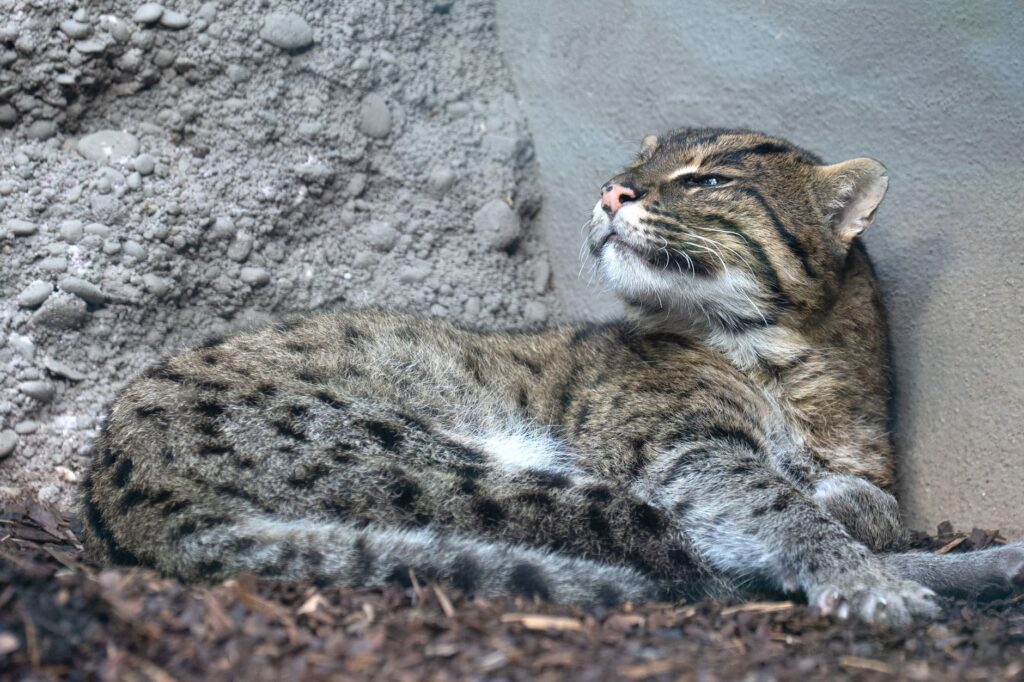
The rehabilitated fishing cat has been successfully released into the wild, equipped with a satellite collar to monitor its movements. This initiative aims to enhance conservation efforts for this endangered species.
The Importance of Rehabilitation for Wildlife
Wildlife rehabilitation plays a crucial role in ensuring the survival of species that face threats from habitat loss, poaching, and environmental changes. The process of rehabilitating animals, such as the rehabilitated fishing cat, involves not only medical care but also behavioral training to prepare them for life in the wild.
Rehabilitation centers serve as sanctuaries where injured or orphaned animals receive the necessary care and support. This care is vital for several reasons:
- Species Recovery: By rehabilitating animals, we can help restore populations of endangered species, promoting biodiversity.
- Public Awareness: Rehabilitation efforts can educate the public about the importance of wildlife conservation and inspire action to protect natural habitats.
- Research Opportunities: Rehabilitated animals can provide valuable data for researchers studying wildlife behavior and health, leading to more effective conservation strategies.
- Community Engagement: Rehabilitation programs often involve local communities, fostering a sense of stewardship and encouraging sustainable practices.
For instance, the recent release of a rehabilitated fishing cat equipped with a satellite collar highlights the significant strides made in understanding their behavior and habitat needs post-rehabilitation. Such initiatives underscore the importance of comprehensive wildlife rehabilitation efforts in aiding struggling species and balancing ecosystems.
How Satellite Collars Aid Conservation
In the ongoing effort to conserve wildlife, innovative technologies have emerged as essential tools for monitoring and protecting various species, including the rehabilitated fishing cat. One such advancement is the use of satellite collars, which provide crucial data on animal behavior and habitat use.
Satellite collars are designed to track the movements of rehabilitated fishing cats after their release into the wild. This technology helps researchers gather valuable insights into their adaptation to natural environments. The data collected through satellite tracking can reveal important patterns regarding:
- Hunting behavior: Understanding how these cats hunt can inform conservation strategies and habitat management.
- Territory establishment: Insights into how fishing cats establish their territories can help in identifying critical habitats that need protection.
- Interaction with other wildlife: Monitoring their interactions with other species aids in assessing the ecological balance.
Moreover, the information obtained from satellite collars can guide conservationists in developing effective rehabilitation programs for future generations of fishing cats. By understanding the challenges these animals face in the wild, conservation efforts can be more targeted and efficient. Ultimately, the use of satellite collars represents a significant step forward in ensuring the survival of rehabilitated fishing cats and their ecosystems.
Challenges Faced by the Fishing Cat
The fishing cat, a sleek and agile predator native to wetlands, faces numerous challenges that threaten its survival. As a species that relies heavily on aquatic ecosystems, the fishing cat is particularly vulnerable to habitat loss and degradation.
One of the primary challenges is urbanization. As cities expand, wetlands are drained or polluted, reducing the natural habitat available for these cats. This not only limits their hunting grounds but also increases the likelihood of human-wildlife conflicts as fishing cats venture into urban areas in search of food.
Another significant threat is climate change. Rising temperatures and altering weather patterns affect the delicate balance of aquatic ecosystems, impacting fish populations that are crucial for the fishing cat’s diet. Additionally, changes in water levels can lead to further habitat loss, forcing these cats to adapt to increasingly difficult conditions.
Poaching and illegal wildlife trade also pose serious risks. Fishing cats can fall victim to traps set for other species or be hunted for their fur. Conservation efforts must address these illegal activities to ensure the survival of rehabilitated fishing cats and their wild counterparts.
Despite these challenges, the rehabilitation of fishing cats offers hope. With targeted conservation strategies and continued public awareness, these remarkable creatures can thrive once again in their natural habitats.
Success Stories in Wildlife Recovery
Success stories in wildlife recovery highlight the remarkable transformations that can occur when dedicated efforts are made to rehabilitate endangered species. One notable example is that of the rehabilitated fishing cat, which has shown incredible resilience after being rescued from a challenging environment.
The fishing cat, known for its unique hunting abilities in aquatic habitats, faced significant threats due to habitat loss and poaching. Through targeted conservation efforts, several organizations have successfully rehabilitated fishing cats, allowing them to return to their natural habitats with renewed vigor.
In recent years, a remarkable case involved a fishing cat that was rescued and rehabilitated after being found injured. Following extensive medical treatment and behavioral training, the cat was fitted with a satellite collar to monitor its adaptation to the wild. This innovative approach has provided invaluable data on the species’ behavior and movement patterns, enhancing our understanding of their needs.
Such success stories not only inspire hope for the fishing cat but also serve as a blueprint for other wildlife recovery initiatives. They remind us that with proper care, education, and community involvement, we can make a significant difference in the survival of these magnificent creatures.
- Community support plays a vital role in wildlife rehabilitation.
- The use of technology, like satellite collars, enhances conservation efforts.
- Each success story contributes to a larger narrative of recovery and hope.
One inspiring example of success is the rehabilitated fishing cat that has been successfully reintroduced into its natural habitat. Conservationists are now studying the behaviors of the rehabilitated fishing cat to develop more effective strategies for wildlife preservation.
Photo by Daniel Resch on Pexels
Where this came from
Related reading
SpaDeX satellites: Big News for ISRO’s Future Missions · AI Adoption Costs: The Real Returns for Businesses · Golden Age of Gaming: Proven Insights from Epic Games CEO

[…] Rehabilitated fishing cat: Proven ways to help wildlife thrive · SpaDeX satellites: Big News for ISRO’s Future Missions · AI Adoption Costs: The Real Returns for Businesses […]