
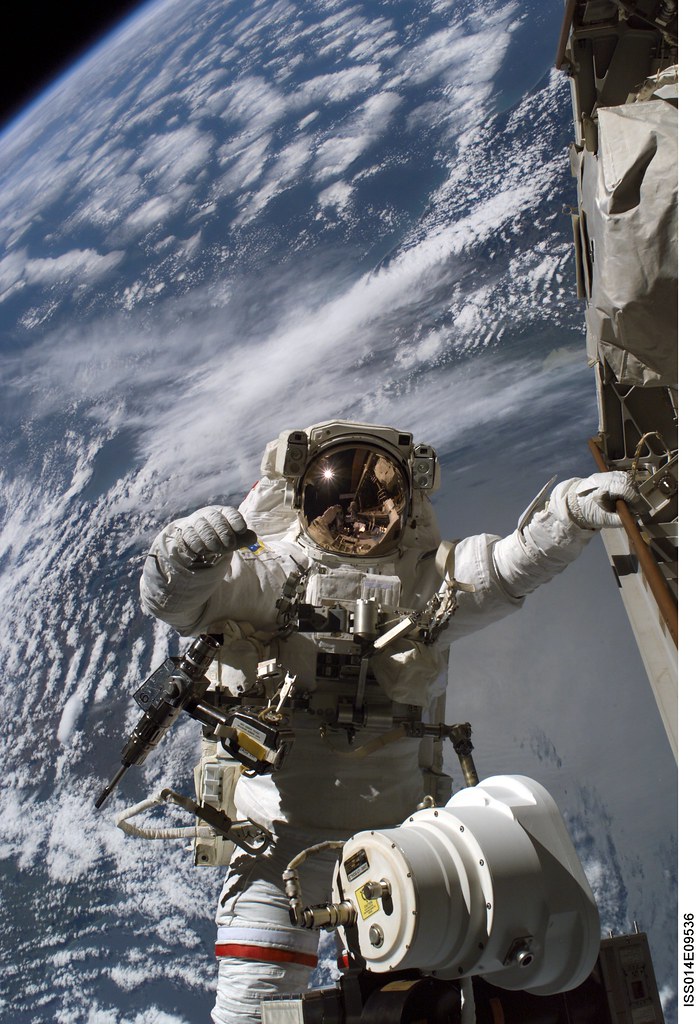
The European astronauts plan is currently being weighed by ESA, which is considering a substantial €10bn investment to launch its own crew of astronauts.
Overview of ESA’s investment plan
The European Space Agency (ESA) is contemplating a significant investment of €10 billion aimed at launching its own cohort of European astronauts. This initiative reflects a growing ambition within Europe to enhance its presence in space exploration and technology development. The decision comes at a time when international competition in space is intensifying, prompting ESA to consider a more autonomous approach to human spaceflight.
This investment plan could potentially yield numerous benefits, including:
- Increased Scientific Research: By having European astronauts in space, ESA aims to conduct a range of scientific experiments that could lead to breakthroughs in various fields.
- Technological Advancement: Developing and training astronauts will spur innovations in technology that can be utilized both in space and on Earth.
- Enhanced Collaboration: The plan could strengthen partnerships among European nations, fostering collaboration in space missions.
However, critics question whether the €10 billion investment is justified, especially given the existing international partnerships and the costs associated with astronaut training and missions. As ESA weighs this ambitious plan, the debate continues on whether the benefits of a dedicated European astronaut program outweigh the financial commitment required.
Implications for European space exploration
The implications of the European astronauts plan are significant for the future of space exploration in Europe. With the proposed €10 billion investment, the European Space Agency (ESA) aims to enhance its capabilities and independence in human spaceflight.
One of the primary benefits of this plan includes:
- Increased Autonomy: Developing a robust human spaceflight program will allow Europe to conduct missions without reliance on other space agencies.
- Scientific Advancements: A dedicated crew of European astronauts can contribute to international missions, ensuring that Europe plays a vital role in groundbreaking research.
- Economic Growth: Investing in space technology could stimulate the European economy, creating jobs and fostering innovation in the aerospace sector.
- International Collaboration: Building a European astronaut corps can strengthen partnerships with other countries and organizations, facilitating joint missions.
However, there are concerns regarding the cost of the European astronauts plan. Critics argue that €10 billion could be better allocated to pressing social issues or other scientific endeavors. The decision will ultimately depend on the perceived value of human spaceflight in advancing Europe’s position in global space exploration.
Comparing ESA’s plan with NASA’s initiatives
The European Space Agency (ESA) is currently evaluating a €10 billion investment plan to establish a cohort of European astronauts, prompting comparisons with NASA’s ongoing initiatives. Both agencies share a common goal of advancing human exploration beyond Earth, yet their approaches differ significantly.
NASA’s Artemis program aims to return humans to the Moon and establish a sustainable presence there by the end of the decade. This initiative is not only focused on lunar exploration but also serves as a stepping stone for future Mars missions. In contrast, ESA’s plan emphasizes developing a robust European astronaut program to enhance collaboration on international missions and bolster Europe’s presence in space.
- NASA’s Artemis Program: Aims for lunar exploration and Mars preparation.
- ESA’s Astronaut Plan: Focuses on building a dedicated team for European missions.
- Collaboration: ESA seeks partnerships with NASA and other space agencies.
While ESA’s €10 billion investment may seem substantial, it is crucial to consider the potential benefits of a strong European astronaut presence. The European astronauts plan could enhance technological development, foster international cooperation, and inspire future generations in science and engineering fields.
Funding sources for the astronauts plan
The funding sources for the European astronauts plan are essential to understanding the feasibility and sustainability of the initiative. The European Space Agency (ESA) has outlined a comprehensive strategy that includes various streams of financing.
- Member State Contributions: ESA relies heavily on contributions from its member states, which are expected to provide substantial funding to support the astronauts plan. This collaborative approach emphasizes shared responsibility among nations.
- Private Sector Investments: Increasingly, ESA is looking towards partnerships with private companies. These collaborations can bring additional resources and innovation to the astronauts plan, potentially lowering costs and expanding capabilities.
- Public-Private Partnerships: By leveraging public-private partnerships, ESA aims to share the financial burden. This model not only promotes investment from the private sector but also allows for greater flexibility in funding allocation.
- International Collaboration: Collaborating with other space agencies globally can also provide alternative funding sources, enhancing the overall budget available for the European astronauts plan.
As ESA evaluates these funding avenues, the question of whether the €10 billion investment is justified remains central to discussions among stakeholders and experts in the space exploration community.
Public opinion on the European astronauts plan
As the European Space Agency (ESA) deliberates on its ambitious €10 billion investment to train and launch European astronauts, public opinion remains a significant factor in determining the plan’s viability. Recent surveys indicate a mixed response from the public regarding the European astronauts plan.
- Support for Scientific Advancement: Many citizens recognize the potential benefits of the plan, citing advancements in technology and science as key motivators. They believe that investing in space exploration can yield invaluable knowledge and foster innovation.
- Concerns over Budget Allocation: Conversely, a segment of the population expresses skepticism about the allocation of such a substantial budget. Critics argue that funds could be better spent on pressing issues on Earth, such as climate change and healthcare.
- Desire for Transparency: There are calls for a more transparent dialogue from ESA regarding how the funds will be utilized and the expected outcomes of the European astronauts plan.
Ultimately, the success of this initiative may hinge on balancing public expectations with the ambitious goals set forth by the agency. Engaging the public in ongoing discussions will be crucial as ESA moves forward with its plans.
Future of space missions in Europe
The future of space missions in Europe is poised for significant transformation as European astronauts plan new initiatives aimed at enhancing the continent’s capabilities in space exploration. With the European Space Agency (ESA) proposing a €10 billion investment, the potential outcomes could reshape how Europe engages with space science and technology.
One of the primary goals of this investment is to develop a robust infrastructure that supports long-term missions, including collaborations with international partners. As European astronauts plan for ambitious endeavors, such as manned missions to the Moon and Mars, the emphasis on sustainability and innovation becomes increasingly critical.
Key areas of focus for the ESA include:
- Enhancing astronaut training programs to ensure readiness for complex missions.
- Investing in advanced technologies for spacecraft and habitats.
- Fostering partnerships with private aerospace companies to stimulate growth.
Moreover, as Europe strives to establish a more prominent presence in global space exploration, the need for a comprehensive strategy that prioritizes education and public engagement will be essential. The success of the European astronauts plan may ultimately depend on how well these initiatives resonate with the public and inspire the next generation of explorers.
By pingnews.com via Openverse
Where this came from
Related stories



[…] European astronauts plan: Is €10bn worth the investment? […]