
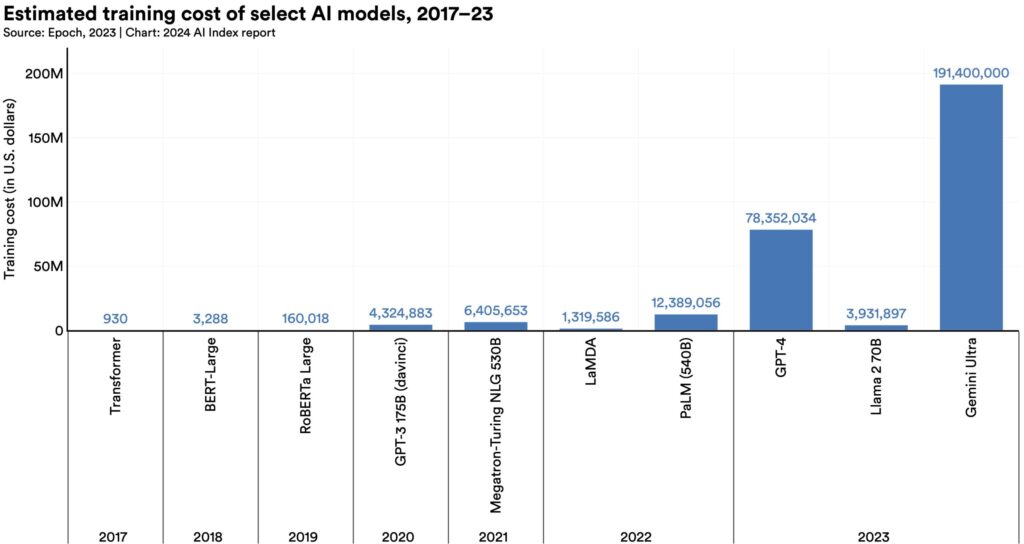
The open-weight AI model is set to revolutionize the landscape for DeepSeek and Qwen. This new release promises significant advancements in AI performance.
What is the open-weight AI model?
The open-weight AI model is an innovative approach in the realm of artificial intelligence, designed to enhance the capabilities of various applications, including those used by DeepSeek. This model allows developers to access and modify the underlying algorithms and architectures, promoting transparency and collaboration within the AI community.
Unlike traditional closed models, the open-weight AI model offers several key benefits:
- Flexibility: Developers can tailor the model to meet specific needs, optimizing performance for different tasks.
- Transparency: With open access to the model’s weights and architecture, users can better understand how decisions are made, fostering trust in AI systems.
- Collaboration: The open nature encourages researchers and developers to work together, sharing insights and improvements that can lead to enhanced capabilities.
- Cost-effectiveness: Organizations can save on resources by utilizing an open-weight AI model instead of investing in proprietary solutions.
As Reflection AI prepares to release its open-weight model specifically aimed at DeepSeek and Qwen, many are eager to see how this approach will transform AI applications in various sectors.
How does it benefit DeepSeek?
The introduction of the open-weight AI model by Reflection AI is set to offer multiple benefits for DeepSeek, a leading player in data analysis. This innovative approach allows for greater flexibility and adaptability in machine learning applications.
One of the key advantages of the open-weight AI model is its potential for enhanced collaboration. By making the model’s weights accessible, developers can share insights and improvements, fostering a community-driven approach to AI development. This can lead to faster optimization and more robust performance.
Additionally, the open-weight model enables DeepSeek to customize its algorithms more efficiently. With the ability to modify and fine-tune the weights, the company can better cater to specific industry needs and user requirements.
Moreover, the open-weight structure promotes transparency in AI operations. Stakeholders can examine the model’s decisions, ensuring a more trustworthy and accountable system. This transparency is crucial, especially in sectors where ethical considerations are paramount.
In summary, the adoption of the open-weight AI model could significantly enhance DeepSeek’s capabilities, driving innovation and improving overall performance in data-driven solutions.
Key features of Reflection AI’s model
Reflection AI’s open-weight AI model boasts several key features designed to enhance its performance for DeepSeek and other applications. These features include:
- Transparency: The open-weight model allows developers to inspect the underlying architecture, fostering trust and collaboration within the AI community.
- Scalability: Designed to handle increasing data loads, the model can easily adapt to varying requirements, making it suitable for a range of tasks.
- Customizability: Users can modify the model to better fit specific needs, ensuring that it remains relevant in diverse scenarios.
- Interoperability: The model supports integration with other AI frameworks, enabling seamless collaboration and functionality across platforms.
- Performance Optimization: Continuous updates and enhancements ensure that the model stays at the forefront of AI technology, delivering high accuracy and efficiency.
These features position Reflection AI’s open-weight AI model as a strong contender for DeepSeek, potentially providing the flexibility and transparency necessary for the evolving landscape of artificial intelligence.
Comparing open-weight models in AI
As the AI landscape evolves, various models have emerged, but the open-weight AI model stands out for its accessibility and flexibility. In comparing these models, it’s crucial to consider how they cater to different applications and environments. Many organizations are now evaluating the advantages of adopting an open-weight AI model over proprietary systems.
Several key factors contribute to the effectiveness of open-weight models:
- Collaboration: Open-weight models encourage collaboration across the research community, allowing for rapid advancements and improvements.
- Customization: Users can modify the model to fit their specific needs, ensuring that it performs optimally in different scenarios.
- Cost-effectiveness: By eliminating licensing fees associated with proprietary models, open-weight AI models are more accessible for startups and smaller enterprises.
- Transparency: With open-source code, users can understand how the model works, fostering trust and reliability in its outputs.
In the context of DeepSeek, leveraging an open-weight AI model may provide the flexibility necessary to adapt to evolving challenges and improve overall performance.
The future of AI with open-weight models
The future of AI is increasingly leaning towards open-weight models, offering unprecedented accessibility and collaboration within the tech community. As more organizations, including Reflection AI, embrace this approach, the potential for innovation expands significantly. Open-weight AI models allow researchers and developers to modify and enhance existing architectures, fostering a spirit of collaboration that drives advancements in machine learning.
One of the key advantages of open-weight models is their capacity for rapid iteration. By sharing weights and architectures, developers can build upon the successes of others, streamlining the development process and reducing duplication of effort. This collective intelligence can lead to breakthroughs that would be difficult for isolated teams to achieve.
Moreover, open-weight AI models democratize access to advanced technology, allowing smaller companies and startups to leverage powerful tools without the hefty investment typically associated with proprietary models. As DeepSeek evaluates its options, the open-weight AI model emerges as a strong contender, promising flexibility and adaptability in a fast-evolving landscape.
In conclusion, as the industry shifts towards open-weight solutions, organizations must consider how embracing this model can enhance their competitiveness and innovation capabilities.
Challenges in implementing open-weight models
Implementing an open-weight AI model presents several challenges that organizations like DeepSeek must navigate. First and foremost, data privacy is a significant concern. With open-weight models, the potential for sensitive information to be inadvertently exposed increases, raising ethical questions about data usage and protection.
Another challenge is model performance. Open-weight models can vary in effectiveness, and adapting them to specific tasks may require extensive fine-tuning. This can lead to additional resource expenditure, which could negate some of the cost benefits associated with using open-weight architectures.
Furthermore, community support plays a crucial role in the success of these models. An open-weight AI model relies on active collaboration from developers and researchers. Without a robust community backing, the model may struggle to receive updates, improvements, and troubleshooting assistance.
Lastly, the integration of open-weight models into existing systems poses technical hurdles. Ensuring compatibility with legacy systems and aligning with current workflows can complicate deployment, potentially delaying the anticipated benefits for users like DeepSeek who are eager to leverage this innovative approach.
User feedback on Reflection AI’s approach
User feedback on Reflection AI’s approach to the open-weight AI model has been largely positive, with many users appreciating the transparency and flexibility it offers. Early adopters have highlighted several key advantages.
- Enhanced Collaboration: Users report that the open-weight model fosters collaboration among researchers and developers, allowing for shared improvements and innovations.
- Customization: The ability to customize the model to fit specific needs has been praised, enabling teams to tailor applications for unique challenges in their respective fields.
- Community Support: A vibrant community has formed around Reflection AI’s open-weight model, providing ongoing support and shared resources, which users find invaluable.
- Performance Metrics: Feedback indicates that users have experienced improved performance metrics, particularly in tasks related to DeepSeek, thanks to the model’s adaptability.
However, some concerns have been raised about the learning curve associated with utilizing the open-weight AI model effectively. Users suggest that additional documentation and tutorials could enhance accessibility for newcomers. Overall, the sentiment remains that Reflection AI’s approach could be a game-changer in the industry, especially for those leveraging the model for DeepSeek.
Industry reactions to the new model release
Industry reactions to the open-weight AI model released by Reflection AI have been mixed, with both excitement and skepticism among experts. Many industry leaders believe that this new model could revolutionize the way organizations utilize AI, particularly in applications like DeepSeek.
Supporters of the open-weight AI model highlight several key advantages:
- Accessibility: By making the model available to all, Reflection AI is promoting innovation across the sector.
- Collaboration: Open-weight models encourage collaboration, allowing developers to enhance and refine the technology collectively.
- Transparency: With an open model, users can scrutinize the underlying algorithms, fostering trust and accountability.
However, some experts express concerns regarding the potential misuse of the technology. “While the benefits are significant, we must remain vigilant about the ethical implications,” cautioned Dr. Jane Thompson, a leading AI ethicist. Additionally, there are fears that without proper guidelines, the open-weight AI model could inadvertently lead to a proliferation of subpar or malicious applications.
As the industry continues to assess the implications, the coming months will be crucial in determining whether the open-weight AI model is the best solution for DeepSeek.
By Stanford Institute for Human-Centered Artificial Intelligence (permission obtained by email from the AI index research manager) via Openverse
Read the original
Crypto Briefing · Open-weight model
You might also like
Smokers Quit Support: Proven Strategies for Success · NVIDIA Coinbase Tokenized Stock: Best Real-Time JPY Rates · OnePlus Festive Sale 2026: Best Deals and Proven Discounts

[…] Open-weight AI model: Is it the Best Solution for DeepSeek? […]