
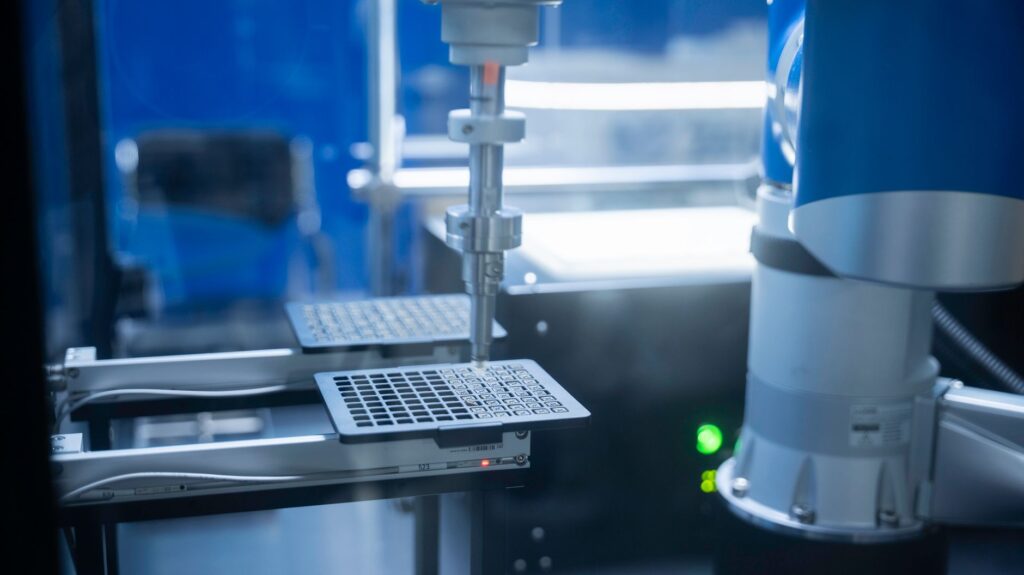
AI-Native Manufacturing Lab is a groundbreaking initiative launched by LTTS and Nvidia. This lab aims to revolutionize manufacturing processes in Bengaluru through advanced AI technologies.
Introduction to AI-Native Manufacturing Lab
The advent of advanced technologies has given rise to transformative solutions in various industries, and the manufacturing sector is no exception. Recently, LTTS and Nvidia unveiled the AI-Native Manufacturing Lab in Bengaluru, marking a significant milestone in the evolution of smart manufacturing. This innovative lab aims to harness the power of artificial intelligence to enhance production processes, improve efficiency, and drive sustainability.
By integrating AI into manufacturing, companies can optimize operations through predictive maintenance, real-time monitoring, and data-driven decision-making. The collaboration between LTTS and Nvidia focuses on developing cutting-edge solutions that leverage AI to streamline workflows and reduce operational costs.
The AI-Native Manufacturing Lab is designed to serve as a hub for research and development, fostering collaboration between engineers, data scientists, and industry experts. This initiative not only aims to advance technological capabilities but also to cultivate a skilled workforce equipped to navigate the complexities of AI in manufacturing.
As industries increasingly embrace digital transformation, the lab’s establishment underscores the growing importance of smart solutions. With a focus on innovation, the AI-Native Manufacturing Lab is poised to redefine manufacturing standards and set a benchmark for future practices.
In summary, the launch of this lab signifies a forward-thinking approach to manufacturing challenges, making it a pivotal step toward a more intelligent and efficient production landscape.
Partnership between LTTS and Nvidia
In a significant move towards advancing smart manufacturing solutions, L&T Technology Services (LTTS) has partnered with Nvidia to launch the AI-Native Manufacturing Lab in Bengaluru. This collaboration aims to harness the power of artificial intelligence and machine learning to enhance manufacturing processes across various industries.
The newly established lab will serve as a hub for innovation, focusing on several key areas:
- Predictive Maintenance: Utilizing AI to foresee equipment failures and schedule timely maintenance.
- Quality Control: Implementing advanced vision systems that leverage deep learning for defect detection.
- Supply Chain Optimization: Streamlining operations through intelligent data analytics and forecasting.
- Process Automation: Enhancing efficiency through robotics and automated workflows powered by AI technologies.
By integrating Nvidia’s cutting-edge GPU technology with LTTS’s extensive engineering expertise, the AI-Native Manufacturing Lab aims to provide manufacturers with tools to increase productivity and reduce operational costs. The partnership is expected to drive innovation, making smart manufacturing solutions more accessible and effective for businesses looking to adapt to the rapidly evolving industrial landscape.
As industries continue to embrace digital transformation, the AI-Native Manufacturing Lab stands out as a pivotal player in the quest for smarter manufacturing solutions.
Impact of AI on Manufacturing
The advent of artificial intelligence has significantly transformed the manufacturing landscape, leading to the emergence of the AI-Native Manufacturing Lab. This innovative approach leverages advanced algorithms and machine learning techniques to optimize production processes and enhance operational efficiency.
One of the most notable impacts of AI on manufacturing includes:
- Predictive Maintenance: AI systems can analyze equipment data in real-time, predicting failures before they occur. This proactive maintenance approach reduces downtime and extends the lifespan of machinery.
- Quality Control: Machine learning algorithms can identify defects in products much more accurately than traditional methods, ensuring higher quality standards and reducing waste.
- Supply Chain Optimization: AI can forecast demand and optimize inventory levels, leading to cost savings and improved customer satisfaction.
- Workforce Efficiency: Automation of repetitive tasks allows human workers to focus on more complex activities, thereby enhancing productivity and job satisfaction.
Furthermore, the AI-Native Manufacturing Lab is poised to serve as a hub for collaboration between industry leaders and researchers, fostering innovation and driving the adoption of AI technologies in manufacturing. As businesses increasingly turn to smart solutions, understanding the impact of AI becomes crucial for remaining competitive in this rapidly evolving market.
Technological Innovations in Bengaluru
Bengaluru has emerged as a hub for technological innovations, particularly in the realm of manufacturing. The recent launch of the AI-Native Manufacturing Lab by LTTS in partnership with Nvidia exemplifies this trend. This facility is expected to revolutionize traditional manufacturing processes through the application of advanced artificial intelligence techniques.
One of the key innovations driving this transformation is the integration of machine learning algorithms, which help in predicting equipment failures before they occur. This proactive approach not only enhances productivity but also significantly reduces downtime. Moreover, the lab aims to leverage data analytics to refine supply chain management, ensuring that resources are utilized efficiently.
In addition to predictive maintenance, the AI-Native Manufacturing Lab will focus on developing smart automation solutions. These solutions are designed to optimize production lines and minimize human error, leading to higher quality outputs. The collaboration between LTTS and Nvidia is pivotal, as it combines cutting-edge software with robust hardware capabilities, thus providing a comprehensive toolkit for manufacturers.
Furthermore, the lab will promote research and development in emerging technologies such as computer vision and robotics, paving the way for fully automated manufacturing environments. As Bengaluru continues to lead in tech advancements, the impact of the AI-Native Manufacturing Lab is poised to resonate across industries, setting new standards in manufacturing excellence.
Future of AI in Industrial Settings
The future of AI in industrial settings is poised for transformative changes, particularly with the emergence of AI-Native Manufacturing Labs. These facilities are designed to integrate advanced artificial intelligence technologies directly into manufacturing processes, enhancing efficiency and productivity.
As companies increasingly adopt AI-driven solutions, several key trends are likely to shape the landscape of industrial operations:
- Predictive Maintenance: AI systems will enable manufacturers to predict equipment failures before they occur, significantly reducing downtime and maintenance costs.
- Smart Supply Chains: AI will enhance supply chain management by analyzing vast amounts of data to optimize logistics and inventory, ensuring timely delivery of materials.
- Quality Control: With the use of machine learning algorithms, manufacturers can detect defects in real-time, allowing for immediate corrective action and improved product quality.
- Personalization: AI-Native Manufacturing Labs will facilitate mass customization, enabling manufacturers to tailor products to individual customer preferences more efficiently.
These advancements not only promise to streamline operations but also foster innovation and create new opportunities within the manufacturing sector. As industries continue to evolve, the proactive integration of AI technologies will be crucial for maintaining a competitive edge in the market.
Challenges in AI Implementation
The integration of AI technology within manufacturing processes offers numerous advantages; however, several challenges persist in the implementation of AI-Native Manufacturing Labs. These hurdles can impact the overall effectiveness and efficiency of smart solutions in the industry.
- Data Quality and Availability: One of the most significant challenges is ensuring that the data fed into AI systems is both high-quality and readily available. Incomplete or inaccurate data can lead to erroneous outputs, undermining the intended benefits of AI.
- Workforce Readiness: The transition to AI-Native Manufacturing Labs requires a workforce skilled in both traditional manufacturing and AI technologies. Upskilling employees can be time-consuming and costly, posing a barrier to rapid implementation.
- Integration with Existing Systems: Many manufacturing facilities operate with legacy systems that may not be compatible with the latest AI technologies. This integration can require substantial investment and reconfiguration, making the transition more complex.
- Cost Considerations: While AI can ultimately reduce costs, the initial investment in technology and training may deter companies, particularly smaller manufacturers, from adopting AI solutions.
- Regulatory and Ethical Concerns: The deployment of AI raises questions regarding privacy, security, and ethical use, necessitating a careful approach to implementation.
Addressing these challenges is crucial for realizing the full potential of AI-Native Manufacturing Labs in revolutionizing the manufacturing landscape.
Conclusion and Next Steps
In conclusion, the establishment of the AI-Native Manufacturing Lab represents a significant leap forward in the integration of advanced technologies within the manufacturing sector. By fostering collaboration between leading companies such as LTTS and Nvidia, this initiative aims to enhance productivity, efficiency, and innovation across various industrial processes.
The journey towards fully realizing the potential of AI in manufacturing is not without its challenges. Industries must navigate issues such as data security, workforce training, and the integration of existing systems with new technologies. However, with the right strategies and support, these obstacles can be overcome. The future promises a more streamlined manufacturing landscape, where AI plays a central role in decision-making and operational efficiency.
Next steps for stakeholders include:
- Investing in workforce development programs to equip employees with the necessary skills.
- Establishing strong protocols for data security to protect sensitive information.
- Encouraging ongoing research and development to explore innovative applications of AI.
As industries begin to embrace the AI-Native Manufacturing Lab, it is essential to remain adaptable and forward-thinking. With the right approach, this initiative could serve as a model for future advancements and pave the way for a smarter, more efficient manufacturing ecosystem.
Photo by Youn Seung Jin on Pexels
References
You might also like
Xiaomi magnetic power bank: Is it the best 10,000mAh option? · Apple HomeView leaks: The worst kept secret revealed · 165-Million-Year-Old Fossil: A Proven Discovery Worth Exploring


[…] AI-Native Manufacturing Lab: Is It the Best Smart Solution? […]